The History of Digital Currencies in Gaming
Every Minute is a Currency: The History of Digital Wealth in Gaming
In the relentless pursuit of peak performance, whether in-game or in life, understanding the value of your assets – be they time, skill, or digital currency – is paramount. Every minute is a currency; don't waste it. This principle applies nowhere more keenly than in the dynamic world of gaming, where digital currencies have evolved from simple point tallies into complex economic systems. For anyone serious about maximizing their gains, understanding this Welcome to RobuxEarn and the foundational history of these systems is not just interesting, it's essential for meta-gaming the future.
From Arcade Tokens to Virtual Gold: The Genesis of In-Game Value
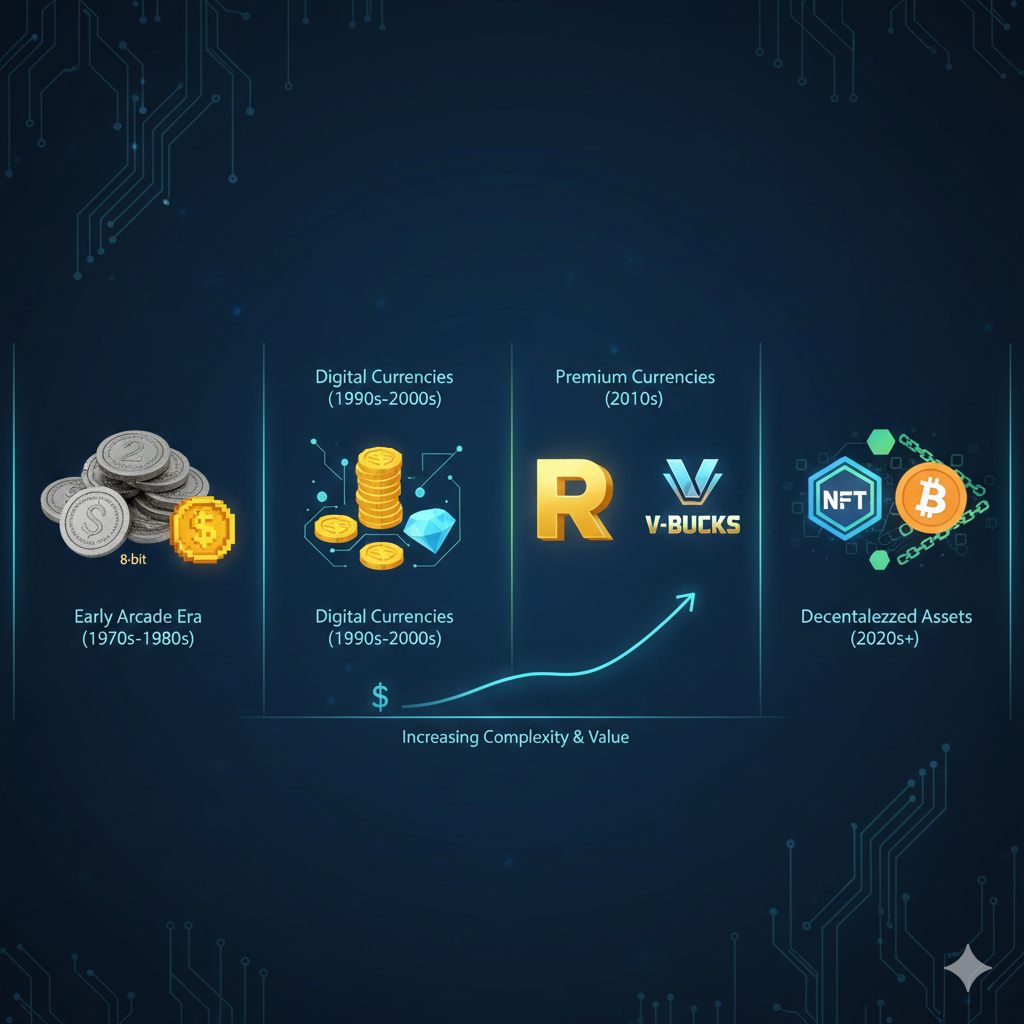
The concept of digital currency in gaming isn't new; its history stretches back further than many realize. In the early days, before home consoles dominated, arcade machines accepted physical tokens – a direct precursor to our virtual economies. These tokens granted playtime, a very tangible form of value. As gaming transitioned to consoles and PCs, the idea of an in-game economy began to take shape.
Classic RPGs like Ultima and Dragon Quest introduced us to simple numerical currencies: gold coins, rupees, or gil. These weren't just arbitrary numbers; they were critical tools for progress, allowing players to purchase better equipment, healing items, or access new areas. This marked the initial evolution of in-game rewards, transforming abstract points into a concrete medium of exchange within the game's world. While these currencies were purely internal and had no external value, they taught generations of gamers the fundamental loop of earning, saving, and spending.
The Dawn of Persistent Economies: MMORPGs and the Rise of Digital Assets
The true revolution in digital currencies began with the advent of Massively Multiplayer Online Role-Playing Games (MMORPGs) in the late 1990s and early 2000s. Titles like EverQuest and World of Warcraft didn't just have in-game currencies; they had burgeoning virtual economies that mirrored real-world markets. Gold became more than just an item; it was a representation of time invested, skill mastered, and strategic decision-making.
Here, the lines began to blur. Players would spend countless hours farming rare items or resources, which could then be sold for significant amounts of in-game gold. This gold, in turn, began to acquire real-world value on secondary markets, leading to the controversial phenomenon of Real Money Trading (RMT). The sheer demand for efficient progression created an ecosystem where players, for the first time, could effectively ""sell"" their in-game effort for actual cash. This era solidified why gamers value digital assets beyond mere pixels – they represent effort, achievement, and often, a competitive edge.
The Free-to-Play Era and Premium Currencies: The History of Robux and Credits
The mid-2000s ushered in the free-to-play (F2P) model, fundamentally reshaping how games monetized. Developers realized that giving the game away for free, but offering premium content or convenience, was a powerful strategy. This gave birth to premium digital currencies, often purchased with real money, to unlock cosmetic items, experience boosts, or unique content.
One of the most prominent examples of this model, particularly relevant for RobuxEarn's community, is the history of Robux and credits on the Roblox platform. Introduced in 2007, Robux quickly became the lifeblood of Roblox's user-generated content ecosystem. It allowed players to purchase avatar items, game passes, and developer products within millions of user-created experiences. Robux isn't just a currency; it's the economic engine driving a platform where creators can develop and monetize their own games, transforming passion into potential profit. Similarly, other games adopted their own premium tokens – V-Bucks in Fortnite, Riot Points in League of Legends – all serving as a bridge between real-world money and in-game enhancements. This model refined the understanding of why gamers value digital assets by offering personalization and status alongside utility.
The Web3 Revolution: The Rise of Play-to-Earn
As we move towards the present, the concept of digital currency has undergone another seismic shift with the advent of Web3 and blockchain technology. This is where the rise of play-to-earn (P2E) models has fundamentally challenged traditional gaming economics. P2E games, exemplified by titles like Axie Infinity, integrate cryptocurrencies and Non-Fungible Tokens (NFTs) to give players true ownership of their in-game assets. Unlike traditional games where developers control the economy, P2E empowers players with provable ownership, allowing them to trade, sell, or even lend their digital items on open marketplaces, often outside the direct control of the game developer.
This paradigm offers an unprecedented level of financial agency within the gaming world. For the efficient gamer, P2E represents a new frontier for maximizing time and skill, transforming gameplay into a potential source of income. However, as with any emerging market, understanding the underlying mechanics and ensuring secure transactions is critical. For those exploring these new opportunities, it's wise to consider, for example, the robust security measures taken by platforms. A platform needs to be transparent about its processes; if you're ever wondering Is RobuxEarn Safe?, look for clear answers on security protocols and user protection.
The Future Landscape: Virtual Economies in 2026 and Beyond
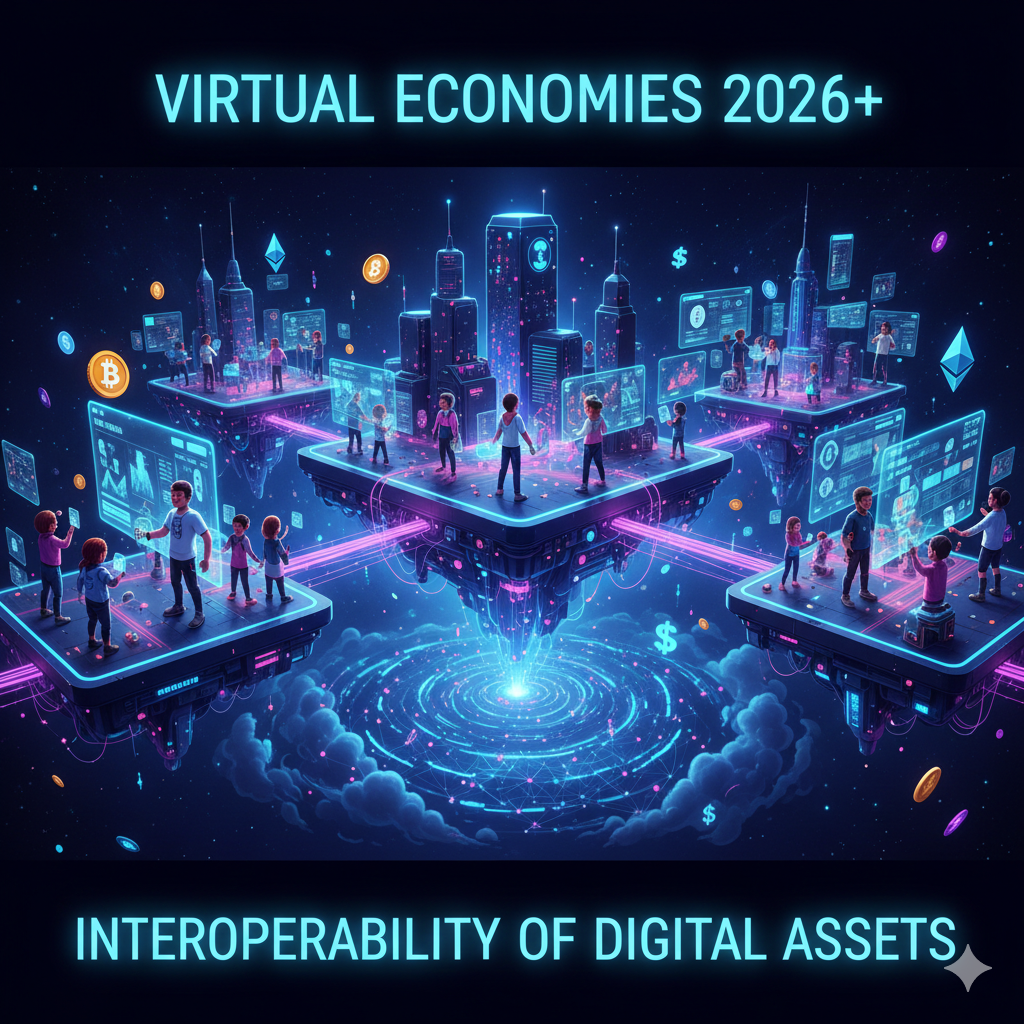
What does the future hold for virtual economies in 2026 and beyond? We are hurtling towards a more interconnected digital landscape, often referred to as the metaverse. In this future, digital currencies and assets will likely transcend individual games, becoming interoperable across vast virtual worlds. Imagine owning an NFT avatar that retains its unique properties and value across multiple games and social platforms, or earning a universal virtual currency that can be spent on anything from in-game items to real-world merchandise.
The lines between earning, playing, and living will continue to blur. Hybrid models blending traditional monetization with P2E elements will likely become standard, offering flexibility and diverse earning opportunities. The strategic gamer, who understands both the historical context and the technological trajectory of digital currencies, will be best positioned to thrive in these evolving ecosystems. The value of digital assets will continue to grow, driven by scarcity, utility, and most importantly, community hype and demand. Efficiency in understanding and navigating these markets will be the ultimate competitive advantage.
Conclusion: Mastering the Digital Economy
From the humble arcade token to complex blockchain-based economies, the history of digital currencies in gaming is a testament to innovation and the enduring human desire for value and progression. Understanding this evolution isn't just an academic exercise; it's a strategic imperative. For the meta-gamer, the min-maxer, and anyone looking to leverage their time effectively, recognizing the true power of Robux and credits, appreciating why gamers value digital assets, and anticipating the next wave of play-to-earn opportunities is the key to unlocking future success. Don't waste a minute; invest your understanding in these powerful digital economies.
"